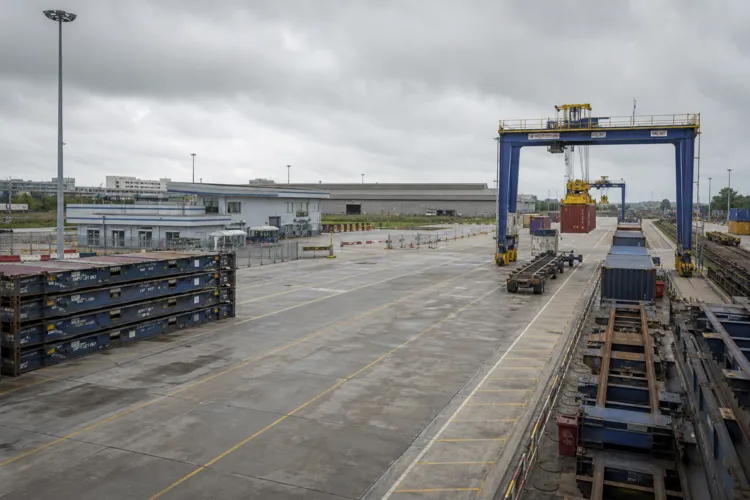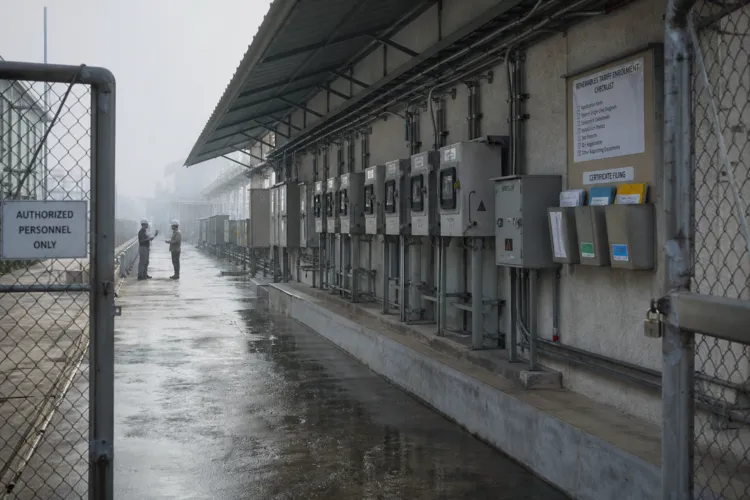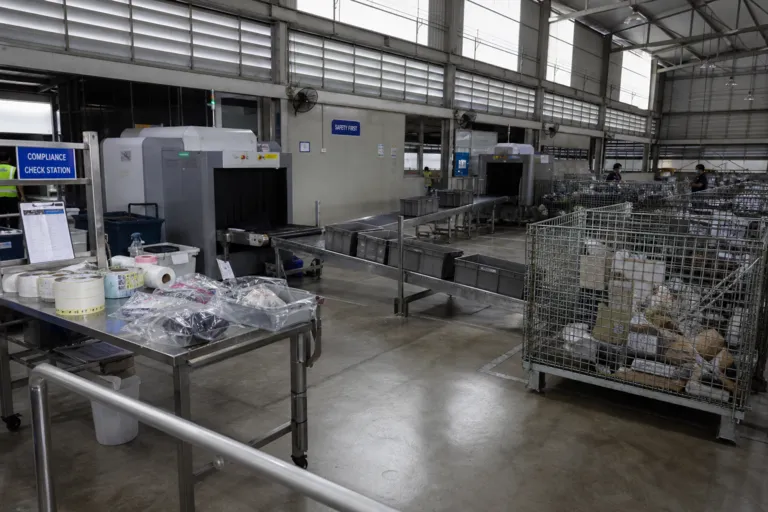
Thailand’s trade and tax authorities are reshaping how low-value import parcels move through the system, after years in which duty-free treatment under the THB 1,500 customs valuation threshold helped fuel cross-border marketplace growth. Under Customs Notification No. 219/2568, the Thai Customs Department closed that exemption on January 1, 2026. Every imported parcel, regardless of declared value, now triggers VAT assessment and any applicable import duty at the border. For Thailand cross-border e-commerce logistics, the immediate effect is procedural: customs brokers, postal authorities, and express couriers have had to recalibrate declaration workflows since Q1 2026 as low-value shipments that once flowed through with minimal friction now require assessment and documentation.
The policy shift follows sustained pressure from Thai retailers and manufacturers who argue that price competition from abroad is no longer “normal” competition. The Thai Retailers Association (TRA) warned that unfair pricing threatens the survival of millions of small and medium-sized enterprises, noting Thailand’s 3.3 million SMEs employ roughly 13.6 million people, or nearly 70% of total private sector employment. The group also pointed to a widening gap in channel performance: online sales in Thailand rose 23.5%, compared with 7.5% growth across physical stores. TRA leaders said foreign merchants exploit regulatory loopholes to avoid import tariffs and VAT, which undercuts domestic retailers that comply with Thai tax obligations and product standards.
From De Minimis to Platform Accountability: What Changes in 2026
Authorities are pairing the end of the exemption with a new compliance model that leans on platforms, not just border inspections. Thai Customs signed cooperation agreements with five major e-commerce platforms on December 31, 2025, requiring disclosure of seller identity and product data upstream. The stated purpose is to calculate duty and VAT more effectively and, in many cases, collect them as part of checkout or fulfillment rather than as a separate customs event at the border. This approach responds to the operational reality that customs officials face hurdles inspecting an enormous volume of low-value parcels, and that processing small tax obligations parcel-by-parcel historically carried costs that could outweigh collections.
Tax treatment is tightening further through tariff policy. On March 30, 2026, the Customs Department announced a tariff realignment aimed at raising duties on a wide range of imported consumer goods toward maximum statutory ceilings. Many products had previously benefited from promotional rates as low as 5%, but the revised approach signals higher rates where domestic manufacturers compete directly with imports. The framework indicates that plastics, household items, and electronics accessories could see duties climb to 30% or even 40%, though not every tariff line would move at once. Separately, official commentary has underscored the scale of low-value flows: imported goods priced below 1,500 baht account for more than 30 billion baht annually, according to the Customs Department’s director-general.
For retailers and logistics operators, the new regime changes both pricing math and parcel handling. The legal explanation of phase-one enforcement notes that even a small overseas order can now attract 7% VAT plus the import duty rate tied to the relevant HS code. Industry commentary has warned that carriers that previously handled millions of tax-free parcels will face duty assessments and added processing steps, lengthening inbound timelines. Meanwhile, the TRA is urging two practical guardrails: mandatory safety and quality compliance for foreign goods sold online, and platform liability to collect and remit import duties at the point of sale, including auditing merchant inventories. Together, these measures signal a more compliance-led model for cross-border trade.
What is changing for Thailand’s cross-border e-commerce logistics in 2026?
Why are Thai retailers calling for stricter enforcement on cheap imports?
How fast is online retail growing compared with physical stores in Thailand?
What new role do e-commerce platforms play in tax collection?
Which duties could rise under the 2026 tariff realignment?