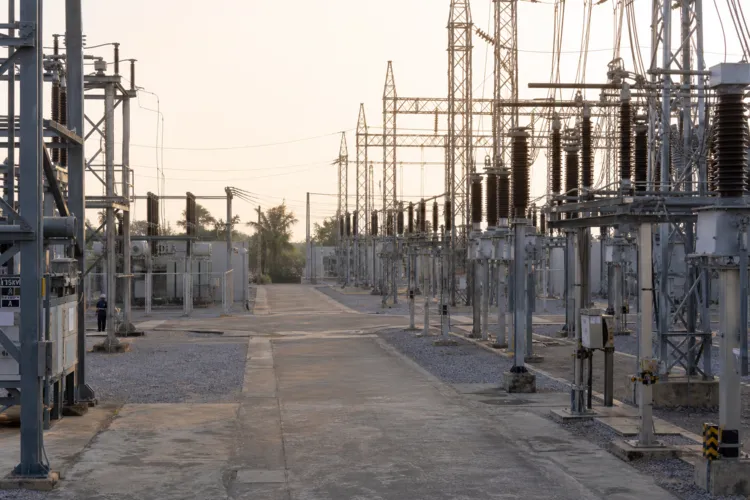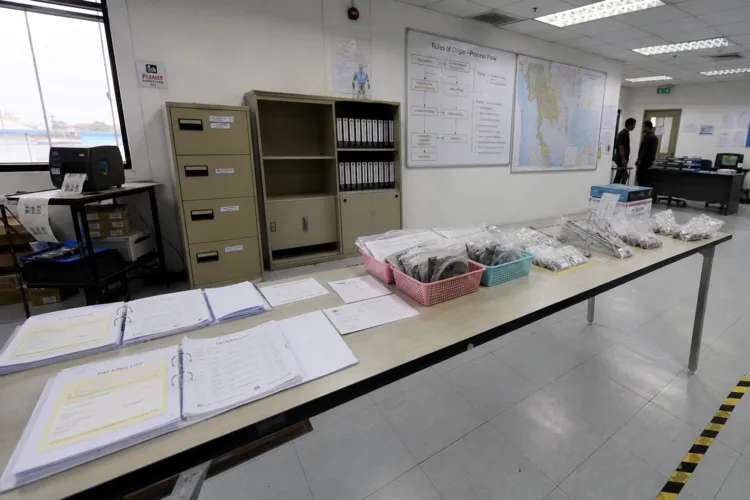
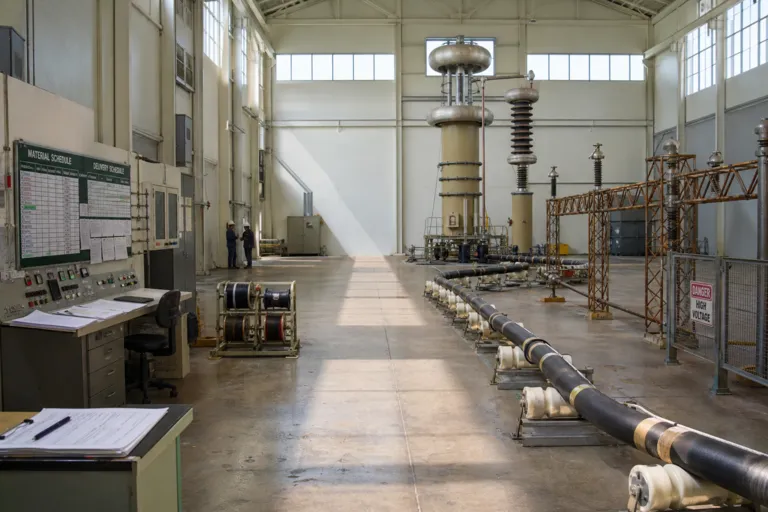
Thailand’s insulated wire and cable market is positioned as a mid-single-digit growth space, with real demand expansion likely running in the 4–6% range annually through 2035. The mix is also changing. Demand is rotating away from volume-driven residential construction wire and toward higher-value orders linked to power distribution upgrades, renewable-energy connections, and data-center buildouts. This shift matters for profitability because medium-voltage and specialty constructions can carry 2–4x the unit margin of standard building wire. At the same time, procurement is consolidating around a smaller set of qualified suppliers as utilities, industrial EPC contractors, and data-center operators tighten vendor qualification and emphasize certification and delivery reliability.
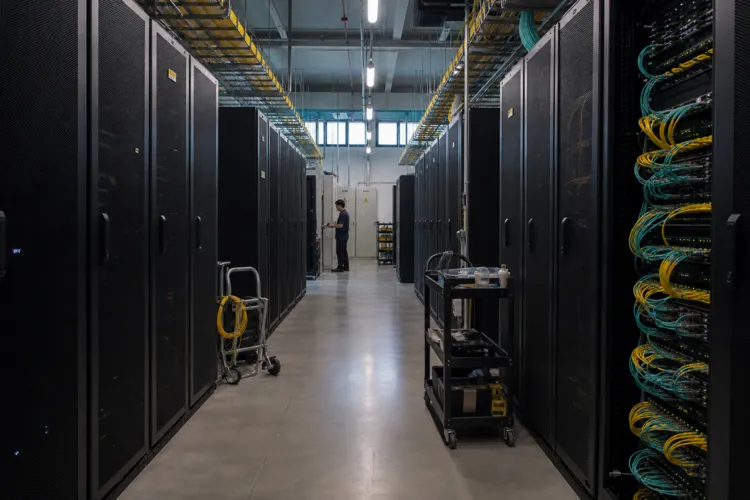
Data centers are a major near-term catalyst. Thailand’s data center market is valued at USD 2.22 billion in 2026 and is forecast to grow at a 17.21% CAGR to reach USD 4.9 billion by 2031. Large campuses captured 26.35% of Thailand’s data center market share in 2025, but operators are also replicating standardized 6–12 MW blueprints in provincial industrial estates, including areas tied to the Eastern Economic Corridor (EEC). This build pattern pulls through multiple cable categories at once: medium-voltage feeders for electrification and backup power systems, plus high-fiber-count optical cables for interconnects. In the global data center wire-and-cable market, a single 10 MW site is described as consuming roughly 400 kilometers of fiber and 150 kilometers of medium-voltage cable.
What’s Changing in Product Mix and Supply Chains
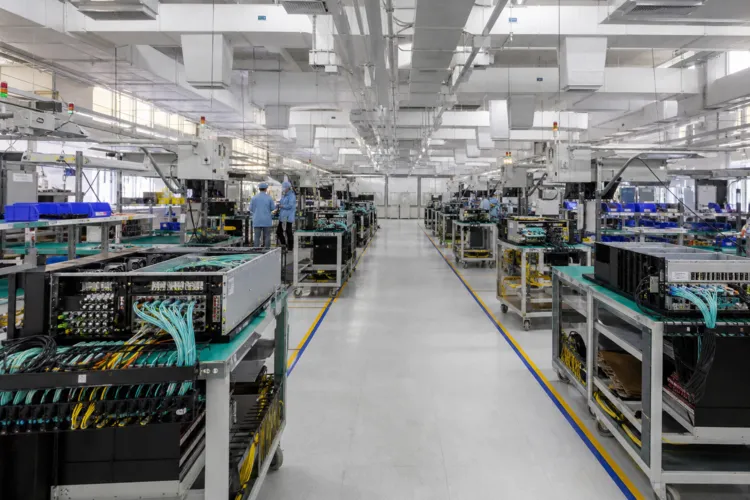
The opportunity also highlights supply-chain gaps. In Thailand, import dependence remains material in high-specification segments, including specialty XLPE medium-voltage cable, fire-resistant low-smoke halogen-free (LSZH) grades, and high-frequency data cable, which are sourced disproportionately from Japan, China, South Korea, and the European Union. Commodity PVC-insulated building wire is largely domestically produced, so competition there is more fragmented and price-led. Localization is still advancing, though. Several Thai and Thai-Japanese joint-venture producers have expanded medium-voltage and LSZH capacity, reducing but not eliminating the premium-import share in the 11–33 kV band.
Material costs remain the biggest swing factor for project pricing and margins. Copper and aluminum conductor costs represent roughly 55–70% of the ex-works cost of a standard insulated cable, so volatility transmits directly into contractor budgets and distributor quoting. The risk rises when producers quote fixed-price contracts with 60–120 day lead times, because copper price moves and THB/USD exchange-rate swings can compress margins. Similar dynamics show up in adjacent installation hardware. Thailand’s cable supports market is projected to expand at a 5–7% CAGR from 2026 to 2035, and steel and aluminum inputs account for 60–70% of finished product cost, with 15–25% raw-material cost swings observed over 12-month cycles.
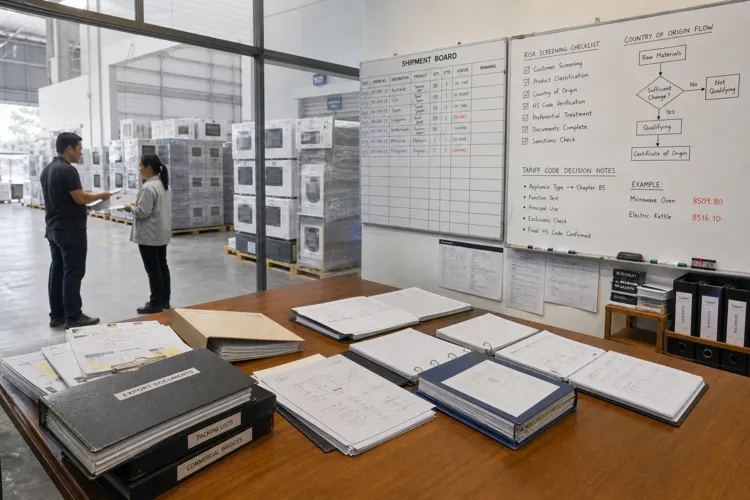
Regional and technical trends reinforce why higher-spec cable demand is rising. Across the Southeast Asia wire and cable market, fiber-optic cables are projected to expand at a 7.48% CAGR from 2026 to 2031, supported by data center interconnects, 5G fronthaul, 5G backhaul, and submarine digital links. In the global data center wire-and-cable market, optical fiber captured 59.30% revenue share in 2025, while high-speed interconnects above 100 G are advancing at a 10.12% CAGR through 2031. For Thailand’s manufacturers and distributors, the practical implication is clear: the Thailand wire and cable industry will be judged more on qualification, documentation, and delivery execution for grid and digital infrastructure than on price alone in commodity channels.
How fast is Thailand’s insulated wire and cable market expected to grow through 2035?
What is driving demand for higher-value cable types in Thailand?
How large is Thailand’s data center market, and what is the forecast to 2031?
Which cable segments does Thailand still import heavily?
What does the Thailand wire and cable industry need to do to win more utility and data center work?