Momentum in the Thailand organic food market is building as shoppers link food choices to wellness and sustainability. Consumer willingness to pay more is a key signal: 74% of Thai consumers are willing to pay more for healthy food options, and 65% were willing to pay a 10% premium for organic food in 2023, up from 50% in 2018. This premium intent matters because Thailand’s food market already has a large, recurring spend base. Household survey data indicate average food-only expenditure of roughly USD 227 per household per month in 2025, creating a steady foundation for brands to trade customers up into organic, natural, and other health-positioned lines.
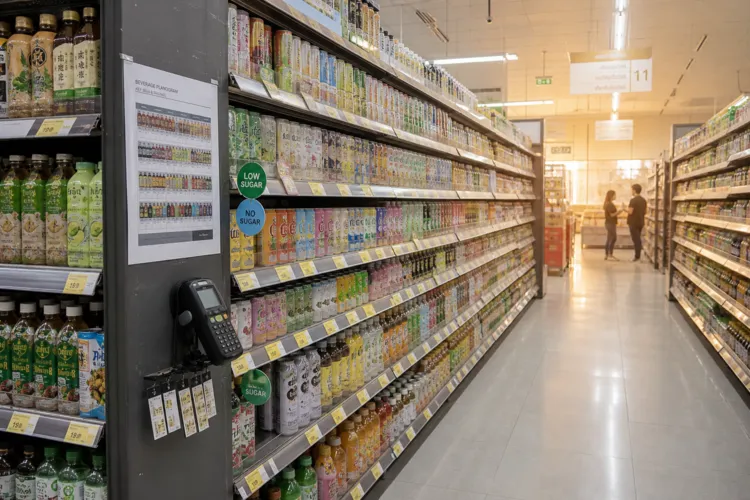
Where demand concentrates also shapes how organic products expand. Greater Bangkok is cited as the principal value hub, supported by purchasing power, chain-store density, convenience retail, and cold-chain distribution. The 2025 household survey recorded food and non-alcoholic beverage expenditure of approximately USD 312 per household per month in Greater Bangkok, versus about USD 243 nationwide. That spending gap can translate into wider assortment and faster product rotation for premium fresh and packaged items, especially in modern grocery and digital channels. In the wider Thailand Food Market, fruits and vegetables are identified as the dominant segment in 2025, a helpful tailwind for fresh organic propositions that depend on visibility, quality consistency, and reliable distribution.
Foodservice and Processing Add New Paths to Premium Organic
Foodservice is also widening the on-ramp for organic and adjacent “better-for-you” choices. In the Thailand foodservice market, plant-based innovation is highlighted as a fast-expanding area, with a plant-based food segment projected to grow at a CAGR of 10% to 35% annually to reach an estimated $1.5 billion by 2024. Within specialty subsegments, organic is framed as supporting premiumization, and the same source notes organic sales seeing a 15% increase in 2023. These offerings tend to skew toward niche, affluent, and export-focused consumer groups, but they can still influence mainstream menus as restaurants and chains compete for health-aware diners.
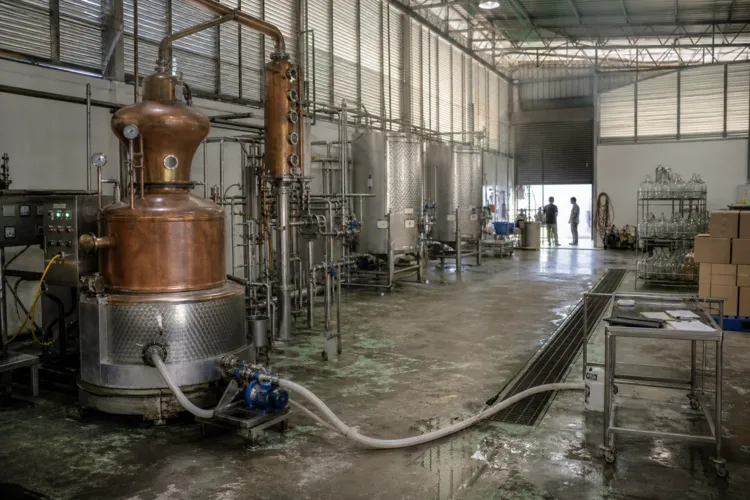
Behind the scenes, processing and ingredient decisions are moving in the same direction. A U.S. Department of Agriculture report describes growing demand for functional ingredients that enhance immunity, meal replacement foods, and products containing probiotics, along with foods formulated for specific needs such as the elderly, children, or individuals with health conditions. It also states that natural and organic ingredients are increasingly used to meet the needs of health-conscious and sustainability-minded consumers, including environmentally friendly positioning. This matters in a country where the food processing sector comprises over 30,000 factories nationwide and SMEs account for 90% of the food processing companies, creating many potential suppliers that can upgrade formulations and compliance systems to serve premium domestic shelves and specification-driven export buyers.
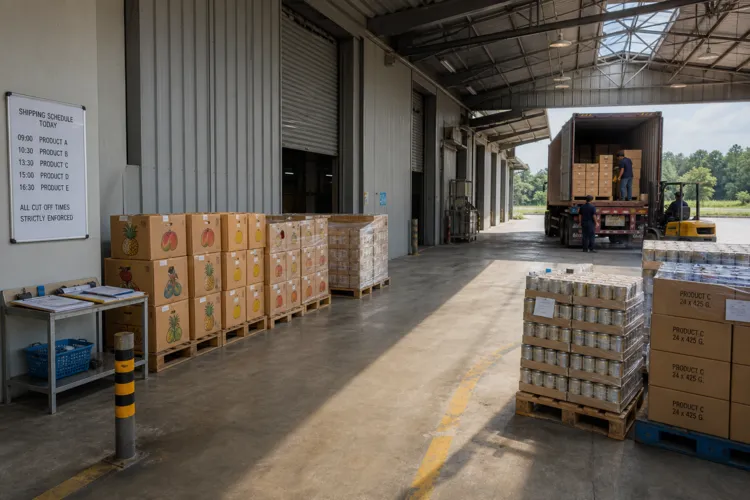
Export demand adds another layer of pressure for credible certification and consistent quality, reinforcing investment in traceability and standards. Thailand’s food exports reached a value of 1.5 trillion THB in 2023, and the same set of statistics places Thailand as the 13th largest food exporter globally. Another data point highlights seafood exports totaling USD 10.5 billion in 2023, with the US as the largest market (28%). While these figures are not organic-specific, they show how central exports are to the sector’s economics. As the broader Thailand Food Market is projected to expand from USD 81 billion in 2025 to approximately USD 112 billion by 2032, with a 4.80% value CAGR, the report explicitly points to mix migration toward convenience, premium, and health-oriented products—an environment that can keep organic and natural lines on the growth agenda.
What is driving growth in Thailand’s organic food market right now?
Why does Greater Bangkok matter for premium and organic food sales?
How is foodservice influencing organic and health-positioned offerings in Thailand?
What role does export demand play in pushing higher standards for Thai food products?