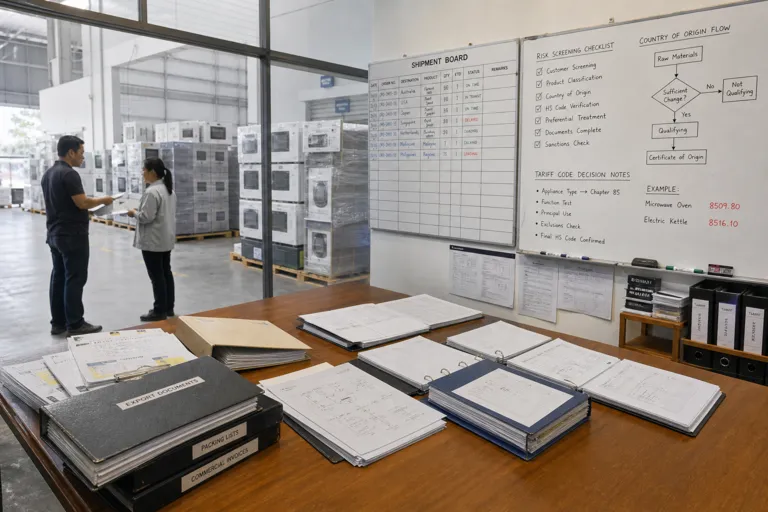
Thailand’s exporters are managing a sharper trade backdrop in 2026 as the United States applies a new Section 301 measure. On July 24, 2026, a 12.5% Section 301 tariff took effect on most imports from Thailand into the US, adding 12.5% to normal Most-Favored-Nation duties on affected goods. This matters for home appliance supply chains because appliances depend on cross-border component flows and shared electronics inputs. In the first half of 2026, Thailand’s exports to the US expanded 44.3%, and official figures put total Thai export value to the US at US$196.741 billion, up 41.1% year-on-year. Thailand also recorded a trade surplus with the US of US$33.038 billion over January to June 2026.
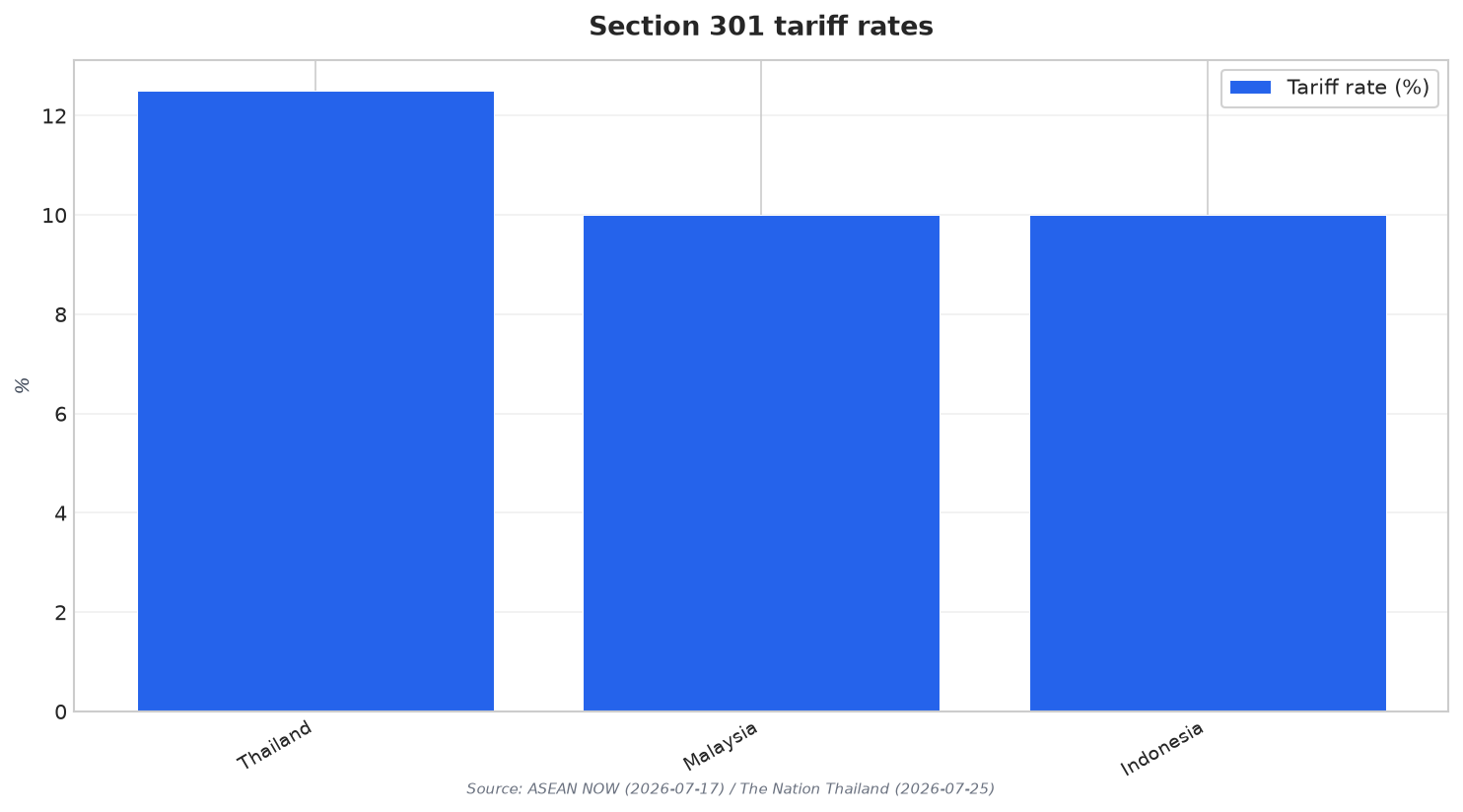
For exporters that sell home appliances or related electronics assemblies, the detail is in the product coverage and the competitive spread versus neighbors. The Trade Policy and Strategy Office said electronics account for 50% of total Thai exports to the US, and key electronic lines remain on the exemption list because of strong US demand for technology. That exemption cushion can protect upstream components that sit inside modern appliances, even when finished goods face greater scrutiny. Still, officials and business voices have warned about a relative disadvantage against regional rivals such as Malaysia and Indonesia, which face tariff rates under 10% in this cycle, while Thailand is positioned at 12.5%.
How Exporters Adjust as Competition Tightens
In practice, exporters are being pushed to defend margin and reliability at the same time. One business view cited a manageable tariff gap of 2.5 percentage points between Thailand and some regional competitors, and argued the direct impact should be limited because most core Thai export lines to the US fall outside the taxable product schedule. Another concern is that products relying on imported raw materials from countries under US scrutiny may face heightened risk, which can affect appliance makers indirectly through components sourcing. At home, the market context is also competitive: Thailand’s domestic appliances market is described as mature and replacement-driven, with growth likely in the low-to-mid single digits annually through 2035.
Domestic conditions also shape exporter strategy because local sales volumes influence production planning. The same market report estimates that finished appliances sourced from China, Japan, South Korea, and ASEAN neighbors account for 40-60% of Thailand’s market value, while local assembly concentrates on air conditioners, refrigerators, and small appliances. Air conditioners are the single largest value segment at roughly 30-40% of market value. At the retail layer, e-commerce is estimated at 15-25% of domestic appliance sales, while 60-70% of major appliance sales are influenced by energy efficiency ratings. These figures highlight why exporters track pricing pressure from imported brands and why efficiency-led product upgrades matter when differentiating Thai-made output.
Looking ahead, exporters are also preparing for a longer-lived policy shift rather than a short shock. Section 301 measures do not automatically lapse after a brief period in the way Section 122 did, and commentary around the new tariff stresses it can remain in place for years. Thailand has engaged with US authorities through the Section 301 process and sought to reduce the tariff from 12.5% to 10% and obtain additional exemptions. For the Thailand home appliance industry, that negotiation track sits alongside day-to-day actions: mapping exposure to negative lists, using exemptions where available, and competing on value as price-sensitive ASEAN markets—including Thailand—are described as offering growth opportunities for affordable multifunctional products.
What is the new US Section 301 tariff rate applied to Thailand in 2026?
How strong were Thailand’s exports to the US before the tariff took effect?
How does Thailand’s tariff rate compare with Malaysia and Indonesia?
What domestic market trends influence appliance exporters’ strategy in Thailand?
What does the Thailand home appliance industry face from imports at home?