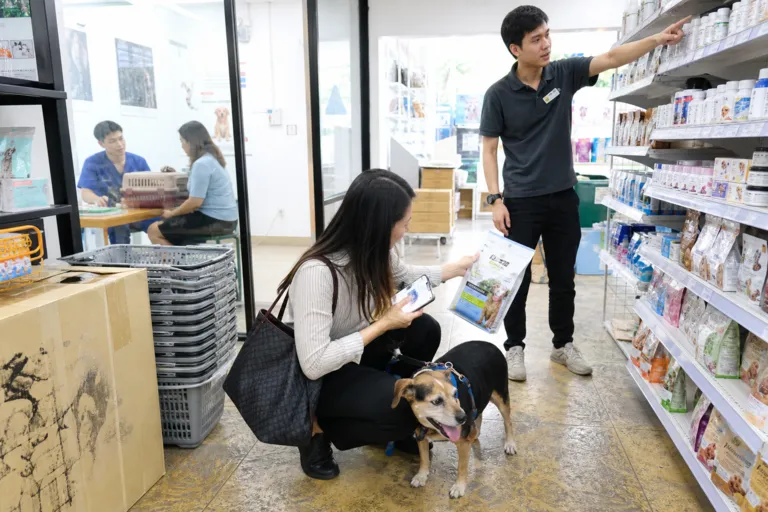
Pet humanization is no longer a niche behavior in Thailand. It is shaping how people shop, how they budget, and how they seek care. Pet Fair South-East Asia describes a decade-long shift toward “Pet Parents,” supported by broader social changes such as declining birth rates and more households made up of singles, childless couples, and empty nesters. In that mindset, spending moves beyond basic food into higher quality nutrition, clothes, accessories, and services such as pet day care centers, pet spas, and pet parks. Statista also frames Thailand’s pet industry growth around increasing pet ownership and pet humanization trends, reinforcing that the emotional bond is becoming a core market driver.
That emotional bond is translating into premiumization and more frequent care routines. Chiang Rai Times cites reported research saying around 70% of new pet products are being shaped by humanization, helping explain why shelves are shifting toward premium options. The same coverage notes that some owners now budget about 50,500 THB per pet per year, with a list that can include everyday essentials as well as medical care such as vaccinations, checkups, preventive medicines, and occasional lab work. These behaviors tie directly to stronger demand for veterinary attention and wellness-oriented services, because owners increasingly shop for pets the way they shop for themselves, prioritizing calm, comfort, and health.
Veterinary and Service Demand Rises as Owners Seek Convenience
As expectations rise, the service layer around pets becomes more valuable. Grand View Research forecasts Thailand’s pet services market to reach projected revenue of US$ 166.8 million by 2030, with a CAGR of 11.1% from 2024 to 2030. The same source points to the growing popularity of internet platforms that let pet owners connect with experts, including veterinarians, through telehealth or other online options. This matters because it expands access and makes routine guidance easier to maintain, which fits the “pet parenting” model. It also supports repeat care behaviors that can include regular checkups and nutrition planning, not just reactive clinic visits.
Industry investment and regional demand signals are also visible in Thailand. Market Data Forecast reports that in January 2024, Nestlé Purina opened a state-of-the-art production facility in Thailand by increasing capacity to meet rising demand in Southeast Asia. In the wider Asia Pacific market context, the same source links growth to rising pet adoption, growing humanization of pets, increasing disposable incomes, awareness about pet health and wellness, and the expansion of online pet product retail. It also flags a key complexity for Thailand: minimal regulations compared with countries like Japan, which can lead to inconsistencies in product standards. That backdrop raises the value of credible distribution channels such as veterinary clinics and specialized e-commerce, an approach also emphasized by Pet Fair South-East Asia.
Globally, the pet care industry is expanding, and the same forces show up in local conversations about the Thailand pet care market. Fortune Business Insights values the global pet care market at USD 273.42 billion in 2025 and projects growth from USD 289.17 billion in 2026 to USD 499.06 billion by 2034, at a CAGR of 7.06%. It also notes North America held a 33.51% share in 2025, a reminder that not all regions are at the same stage. Still, the underlying theme is consistent: rising pet humanization and pet parenting increase product demand. In Thailand, that theme is already visible in premium food choices, wellness services, and stronger expectations for routine veterinary care and trustworthy standards.
What is driving pet humanization in Thailand?
How large could Thailand’s pet services market become by 2030?
What does humanization mean for product launches and spending patterns?
How is the Thailand pet care market connected to wider regional investment?